Mrs Finnegan’s Brighton Almanac – Are You Fluent in Sussex English?
My husband Master Peregrine was much encouraged by the LACK of protest at the suggestion that a puns should feature in my Almanac. I have therefore been obliged to season this EDITION with a peppering of punning quips that I have carefully selected on the grounds of brevity.
All I can say is you only have yourselves to blame.
ooOOoo
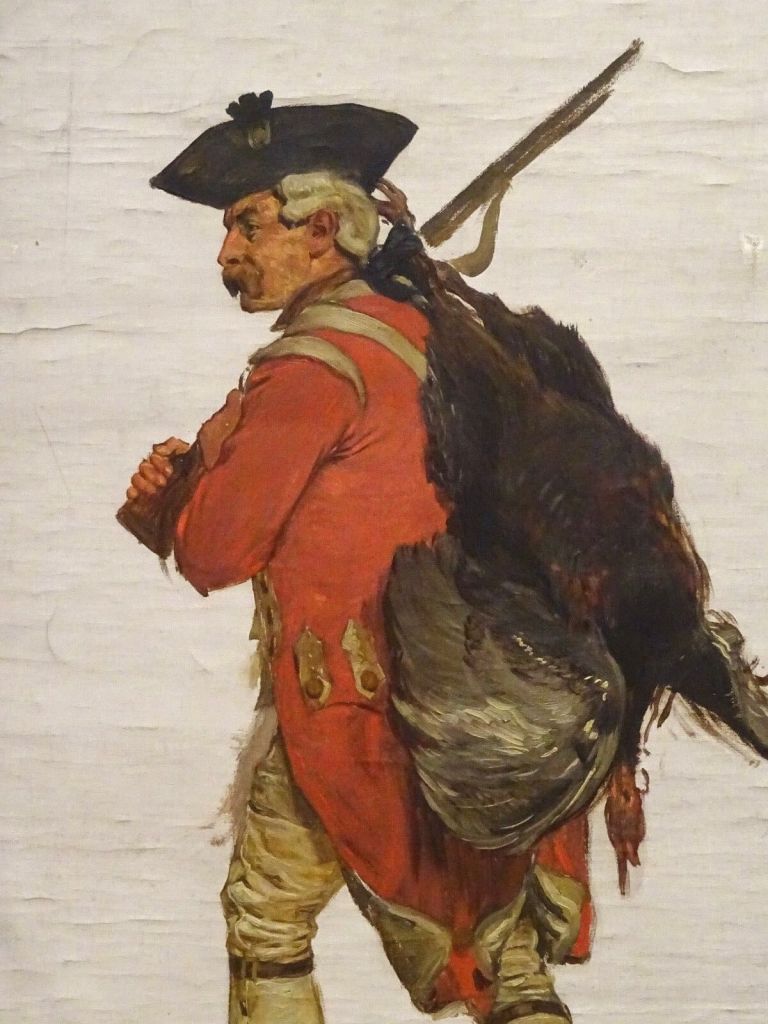
It is well-known that soldiers have the speediest justice. They are never without red-dress.’
Understanding the Sussex Tongue
When first taking up residence in a new area it is BEST to be become friends with the local dialect as quickly as possible. It saves misunderstanding and prevents getting on the wrong coach going to the wrong village at the wrong time. (I draw a veil over that incident.)
To SAVE you from anything so hazardous I have drawn up this quick guide to Sussex English as it is spoken. Some words are easy for the beginner to translate
Amost for Almost. NaunforNothing. Agwain for Going.
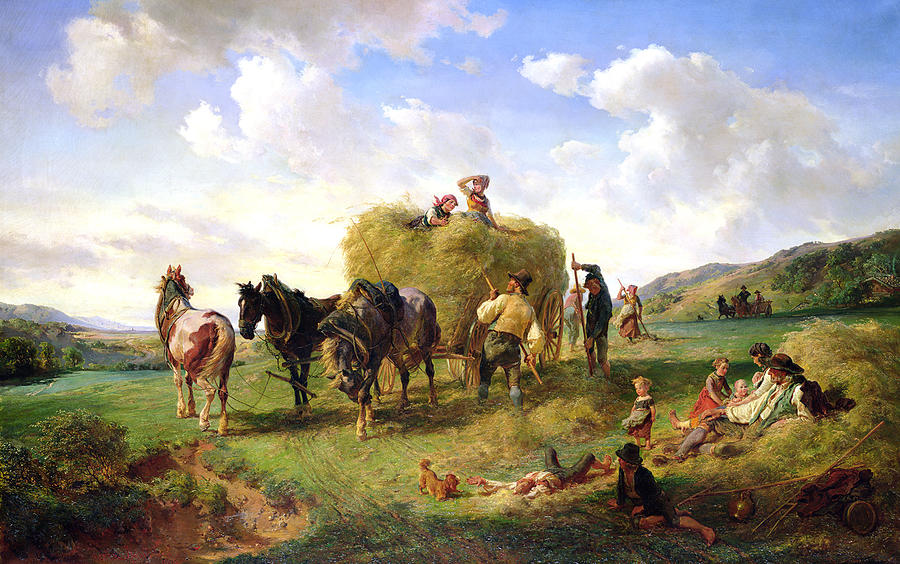
And if you happen to be wandering through a hay field you will soon discover that the man who lifts and pitches the hay up on to the wagon is called a pitcher which makes great good sense, but the one who unloads it is an impitcher which I’m not so sure about.
To be pithered means to be gummed-up, as in: “After a night’s sleep, my eyes seem pithered-up o’ mornings.”
Then comes quite a charming phrase which always makes me smile: peter-grievous. It is most often used to describe a fretful child as in “What a peter-grievous boy you are! Whatever is the matter?”
Master Peregrine informs me it comes from the French Petit-grief (little grief) and really would make the most appropriate nickname for Himself, especially around dinner time. Mum-chanceis another useful word to have in your vocabulary as it means a stupid, silent fellow and I have met a few of them in my time.
Bear in mind the following and you will soon get the hang of it. Double t is always pronounced double d so little becomes liddle, and so on and so forth this invariably d; so the becomes de; and these, them, theirs—dese, dem and deres.
Words ending in sthave another syllable added at the end in the possessive case and the plural. An ordinary sentence like “The little birds have built their nests near the posts of Mr. West’s gate” sounds very different in Sussex.
“De liddle birds have built their nestes near the postes of Mr. Westes’ gate.”
The Birth of Butter
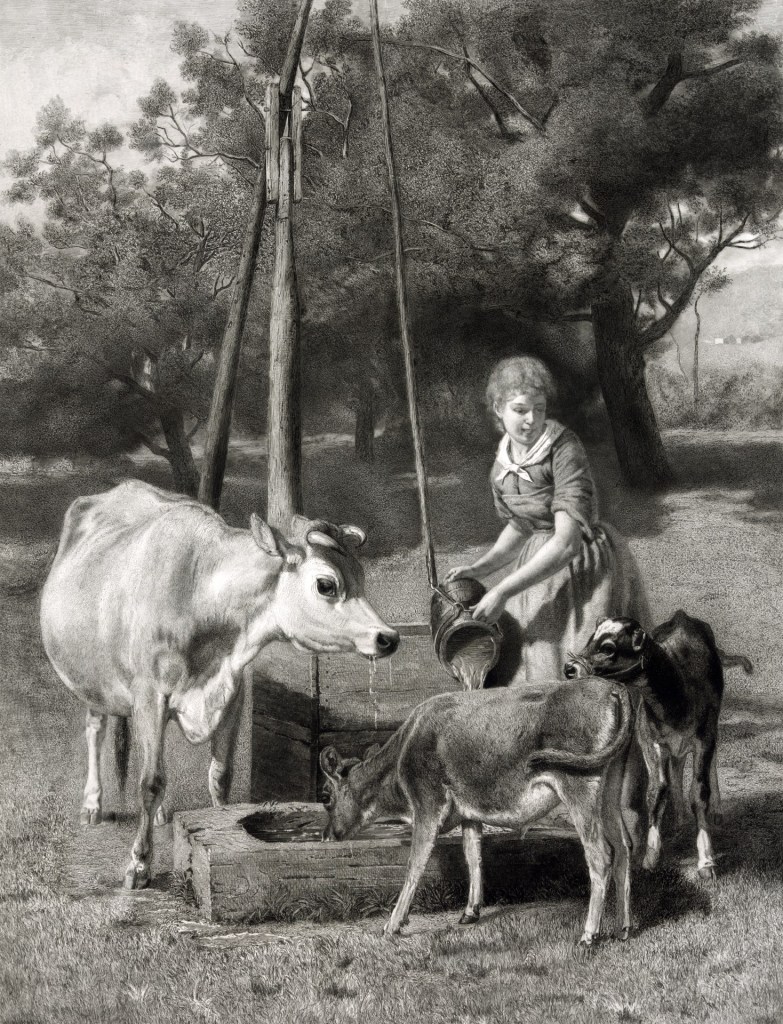
In the Ireland of my youth* girls would take the family cows up into the hills to tend them away from the growing crops. Some of the milk and cream would be brought down for the feasting and games at the Midsummer Bonfire (which Mama never allowed me to attend. She didn’t object to the tradition of jumping over the fire but lived in fear that ankles would be exposed).
I mention it now because not many people know this was how butter was invented. The summer** sun on the barrels combined with the juddering on the downhill journey made the rich fat in the milk lump together and float on top. People discovered they liked those lumps and that OTHER people would pay good money for them. Thus was an economy born and a reason to make bread created. * You can read more about my early years HERE ** It is a COMPLETE fallacy to say that there is no summer in Ireland. It was always my favourite day of the year.
ooOOoo
ON A MR. HOMER’S BANKRUPTCY.
That Homer should a bankrupt be Is not so very Odd-d’ye-see; If it be true, as I am instructed, So Ill-he-had his books conducted.
Saint of the Week
St Perseveranda of Poitiers Feast Day June 26th (this isn’t her picture, but as it is titled young saint it is the nearest I can get.)
It’s been a bad week for saints that are both OBSCURE and interesting. I had high hopes for St Brogan whose feast day is today. I knew a Mrs Brogan once who washed her hair in tea leaves, lost all her teeth by the time she was 12, and had eight cats, but it wasn’t her.
The records says that no information survives on St Brogan, dear readers, so I think we must settle for St Perseveranda.
At least we know she was Spanish and that she and her two sisters Macrina and Columba founded a convent in France. The dear girl died when she was still very young, fleeing from a thief.
It has the all the ingredients of a two handkerchief tragedy but alas! the story ends there and we are warned that the particulars given in her legendary life merit little attention, but plenty of opportunity to make something up if you were so inclined…
Improve your Vocabulary One Word at a Time
An ultracrepidarian is one who enjoys giving their opinion on matters about which they know ABSOLUTELY nothing.
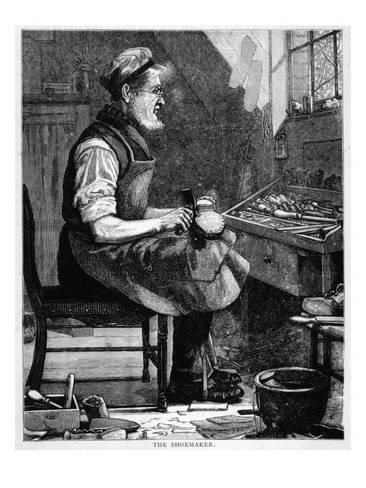
The word was especially invented by the writer/painter William Hazlitt to describe the critic William Gifford (I wonder what he said). Hazlitt was inspired by the Latin phrase ne supra crepdiam sutor iudicaret which you and I know better as let the cobbler stick to his last.
On another subject altogether, I cannot tarry as Master Peregrine has asked to look at my recipe for honey cake (a breakfast favourite) as he feels that it might be improved with a few subtle additions. I am EAGER to learn what he will suggest.
ooOOoo
My wife’s a notable woman; but I’m more not able than she is, as she is always telling me.
Mrs Finnegan is generally acknowledged to be a wonder. Not only is she a consummate Author of Almanacs, she is also the housekeeper at The Regency Town House and a wife to Master Peregrine Hilderbrace, riding master (retired).Sign up for her ENTIRELY FREE subscription service HERE. It means you will be alerted as SOON as the ink is dry on her latest MISSIVE.
Mrs Finnegan believes it should be used more frequently in conversation. If you will promote it your side of the Atlantic she will do her best on this side. She feels certain that you will find plenty of opportunities…








 BRIDGET WHELAN writer
so many goodies in this one, I love the birth of butter, and especially the ultracrepidarian, such an amazing word
LikeLike
Mrs Finnegan believes it should be used more frequently in conversation. If you will promote it your side of the Atlantic she will do her best on this side. She feels certain that you will find plenty of opportunities…
LikeLike
I will certainly do my part for the cause –
LikeLike