
Don’t Start with Back Story – How to Work out How much the Reader Should Know and When
Start the reader in “the room where it happens” advises Allison K Williams in a craft essay published in Brevity, the free online literary journal of concise non-fiction.
She has developed an interesting exercise to test if you are revealing too much too soon, or leaving essential information out.

It takes courage and a good friend, but if you have both, and written 100+ pages, you might want to try the following:
Ask a friend who hasn’t read the manuscript (and ideally, doesn’t know your story) to read pages 50-70, with no preliminaries. Have them list information they understand from those pages, like “they live in Chicago” or “her mother is an alcoholic.” Cut those things from the first 50 pages—if they’re clear now, they don’t need explaining earlier. Have the reader also list what they wish they knew or didn’t understand. Keep those elements from the first 50 pages, but consider whether they belong before, or should be woven in later.

I have sung the praises of Brevity before, and I am glad to have an opportunity to do it again. It is a journal for anyone who enjoys creative non-fiction and with a word limit of 750 words it means there is nearly always time to read a good story. And did I mention it’s free?
Often the advice given in the craft articles apply to fiction as well as non-fiction. I’ve been running Writing History courses throughout 2025 – another one starts in a few weeks – and I’ve found that exercises for memoirists also work for fledging historical novelists and local historians keen to turn their research into a readable narrative. Homework assignments do have to be individually tailored though, as each student will use the techniques and insights they have (hopefully) acquired in a way that will suit their writing ambitions.
It seems to me the advice in Allison’s essay is just as valuable for a novelist who needs to see that at the beginning a reader doesn’t require a full understanding of a character and the experiences that shaped her, as it is for a memoirist who feels obliged to give a whirlwind tour of their childhood before embarking on the solo travels at the heart of what they want to write.
Back story is important, there’s no denying that, but it is usually better drip-fed into the story rather than delivered in a lump. It’s really very like the real world. If I am introduced to someone new I am not going to feel comfortable if I’m told in the first five minutes that they are a survivor of a bitter divorce, are allergic to salmon, long to holiday in the Caribbean, ran away from boarding school at the age of 11 and are caring for an elderly father who only communicates by text even when they are in the same room. I’ll take a bit of that, but give me the whole lot before I even know if we could be friends, and my instinct is to back off. Ditto when I’m reading and it is even easier to put down a book.
Of course, there are always exceptions to any writing “rule”. Annie Proulx’s Shipping News springs to mind where the first 20 pages or so are devoted to the back story, but for most of us less is more, especially at the start. In the first page(s) you are fighting for the reader’s attention, while trying to ensure it doesn’t read as though you’ve thrown everything in out of desperation.
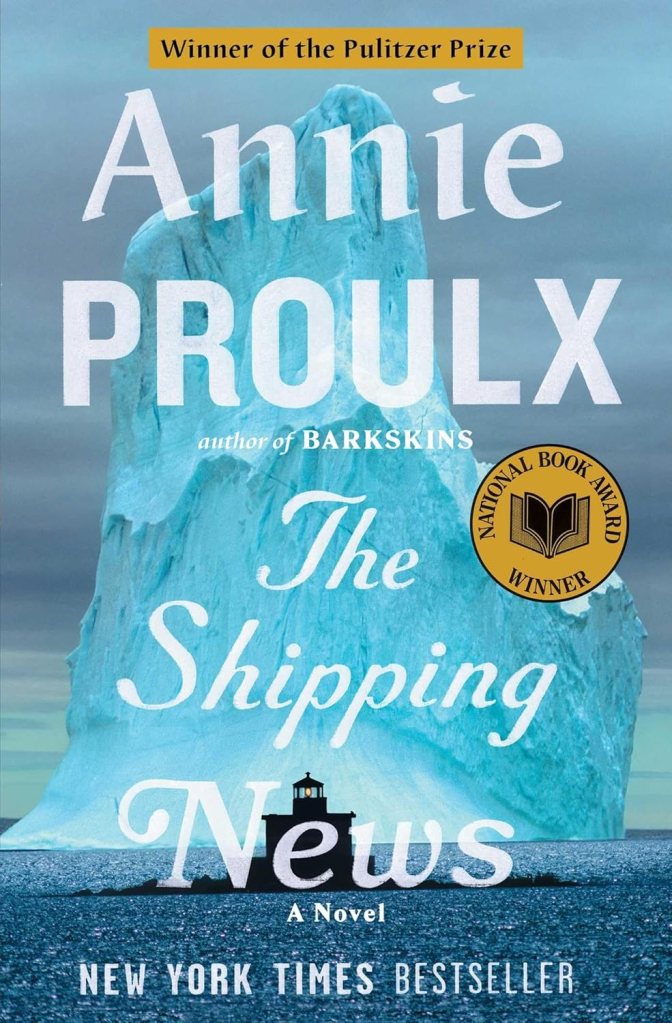
Can you think of an annoying novels where the back story intrudes?
And can you think of other novels where the back story is at the front, big and bold, and it doesn’t matter a bit.
It’s good to share.
Reading is the magic that helps us live in other worlds, reading like a writer helps us create our own other worlds.
3 comments on “Don’t Start with Back Story – How to Work out How much the Reader Should Know and When”
Leave a reply to bridget whelan Cancel reply
Over 125 reviews & 280 ratings on Amazon
A Good Confession

"Unputdownable" Miriam Stoppard


 BRIDGET WHELAN writer
this is great advice and I’m currently going through the twilight zone series and reading a book about rod Serling and his writing or bringing each episode to life. I always loved his writing and have noticed that he does the slow drip in his storytelling. let’s the reader/viewer discover things as they move though the story and that is what draws you in and keeps you there –
LikeLike
Fascinating, Beth. I know very little about Rod Serling – I don’t think much of his TV and radio work travelled across the Atlantic – although the Twilight series is famous. I can see I need to spend a lot of time on youtube.
LikeLiked by 1 person
he created his shows in a sci-fi style so that his messages about the Cold War, authoritarianism, fear, the space race, anti war, technology etc. wouldn’t get edited by the censors. they didn’t really understand it so they mostly left it alone, but his message still got through and resonate today
LikeLike