
A Great End to a Writing Course
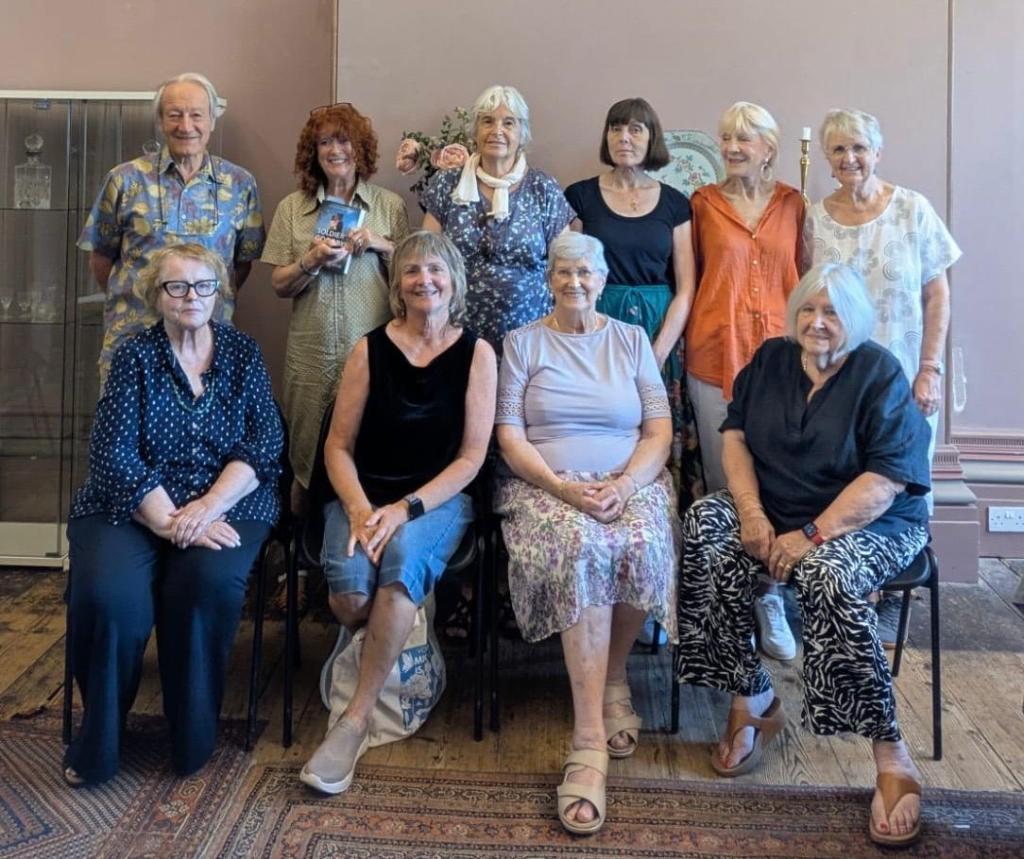
I finished teaching a four week Writing History course at The Regency Town House last Friday and having Norma Curtis and Edward Milner as guest speakers was a great way to end it.
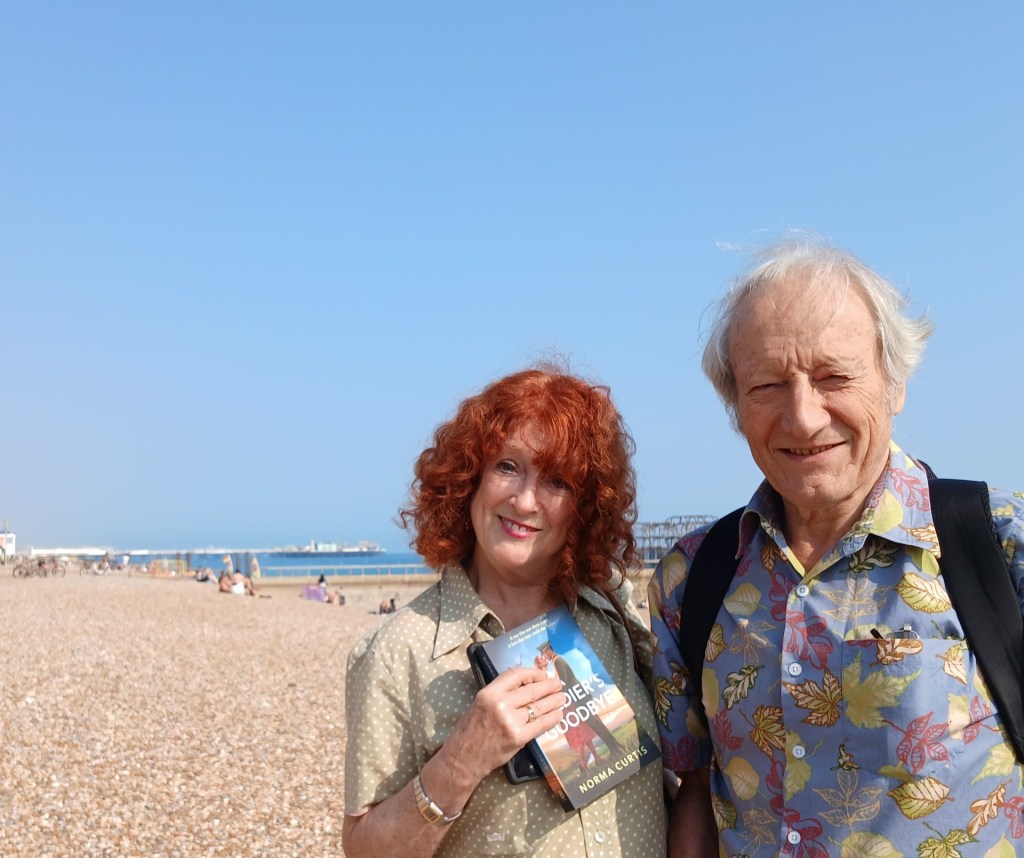
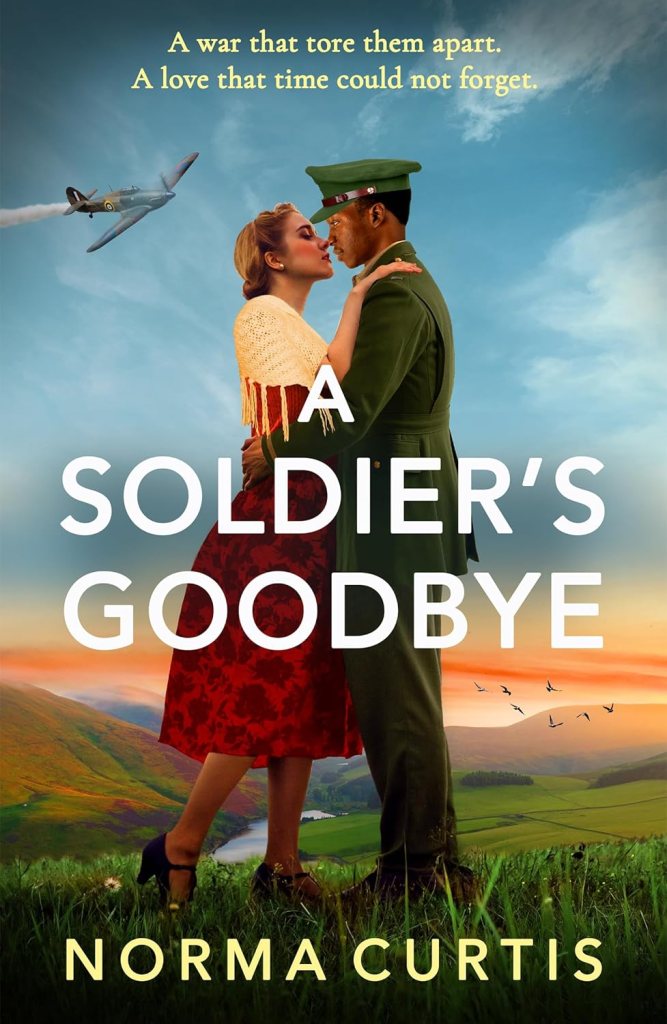
Norma has published 11 novels, many of which have a historical basis, and her latest A Soldier’s Goodbye was launched on Saturday. It’s a moving WW2 saga of forbidden love set in Wales that was inspired by real events.
The blurb gives a taste of what is about to happen:
In the summer of 1944 black GIs gather at the Rivoli Ballroom, where music and dancing offer escape from the uncertainty of wartime. When local girl Ginny Lloyd asks American soldier Samuel Grant to dance, an unforgettable connection is born – one that will endure long after the war tears them apart.
Edward is a bestselling non fiction author and documentary maker who is turning his experiences in 1960s Uganda into fiction. He recently sent the manuscript of his novel to TLC, The Literary Consultancy. They are the UK’s longest-established editorial assessment agency and the fee represented a big investment in his writing career. Like most of us, he had to think long and hard before taking that step, but he was able to tell the class that he felt it was worth every penny. The 40+ page report he got back has helped him power ahead with his book.
You can find details of TLC’s services and fee structure HERE but there is a long-running bursary scheme for low income writers that is supported by Arts Council England. Click HERE for information on how to apply to the TLC Free Reads Scheme.
A lot more came out of the fascinating morning. Here’s some of the highlights:
- Memoirs are an excellent source of historical research. They often contain small details that you won’t find in history books but which can bring the past to life. For example, Norma discovered that locals never heard when the GIs were coming because their rubber-soled boots allowed them to walk quietly. It was essential equipment for behind-enemy-lines missions, but very disconcerting for the inhabitants of a Welsh village accustomed to the clunk of hobnailed boots and thud of heavy leather shoes.
- A number of commercial publishing houses are actively looking for new writers all the time. And they accept authors without an agent. It is a busy, crowded market that is greedy for more books but you have to deliver what they are asking for – never forget your precious manuscript is a product
- Not everyone wants to be published. Writing is one of the creative arts that can bring its own rewards without a publishing deal.
- To become a better writer be prepared to listen to feedback.
- If you want to be published make sure you know what genre you are writing. Ask yourself what shelf it should be put on in a bookshop. It matters.
- Pay attention to key industry requirements such as the length and style each publisher requires.
- AI is a worry and it is hard right now to see where it will lead, but it can only replicate human art, it can’t originate or feel pain. And it doesn’t have a sense of humour.
- Social media is an important tool and you can’t start too soon in your writing career. But don’t make yourself miserable if it is something you hate. Perhaps allocating a small amount of time to it regularly will turn it into another chore you can manage.
- Having said that, make sure that social media doesn’t eat into your writing time – there has to be a balance.
Thank you Edward and Norma.
And thank you to a brilliant, entertaining & inspiring bunch of writers – the class of Summer 2026.

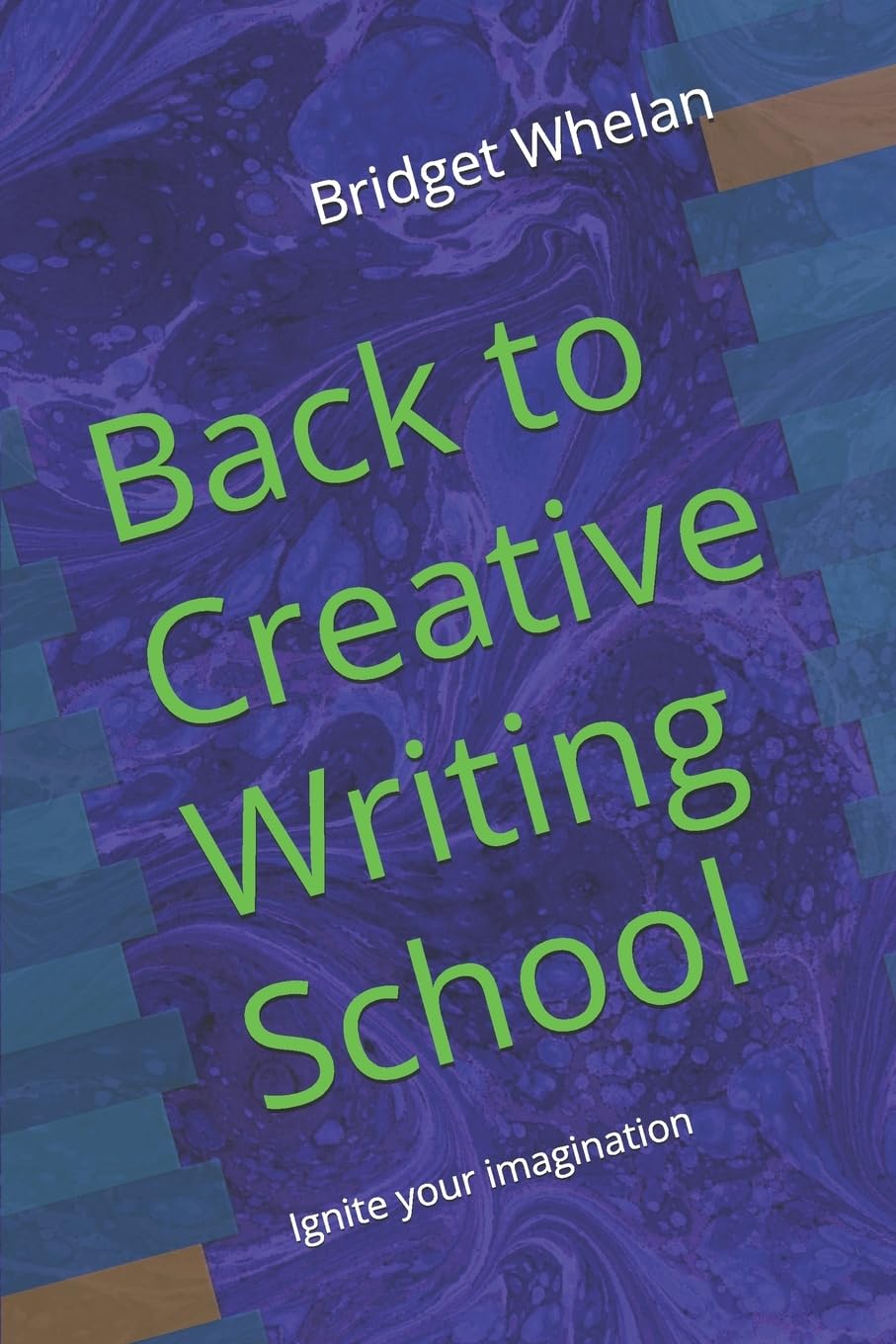
Over 125 reviews & 280 ratings on Amazon
A Good Confession

"Unputdownable" Miriam Stoppard


